Human Rights
What Are Human Rights?
Human rights are rights inherent to all human beings, regardless of race, sex, nationality, ethnicity, language, religion, or any other status. Human rights include the right to life and liberty, freedom from slavery and torture, freedom of opinion and expression, the right to work and education, and many more. Everyone is entitled to these rights, without discrimination.
International Human Rights Law
International human rights law lays down the obligations of Governments to act in certain ways or to refrain from certain acts, in order to promote and protect human rights and fundamental freedoms of individuals or groups.
One of the great achievements of the United Nations is the creation of a comprehensive body of human rights law—a universal and internationally protected code to which all nations can subscribe and all people aspire. The United Nations has defined a broad range of internationally accepted rights, including civil, cultural, economic, political and social rights. It has also established mechanisms to promote and protect these rights and to assist states in carrying out their responsibilities.
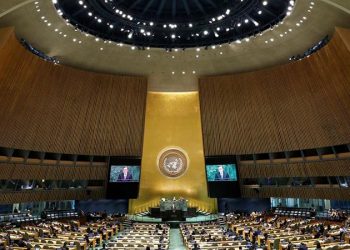
The foundations of this body of law are the Charter of the United Nations and the Universal Declaration of Human Rights, adopted by the General Assembly in 1945 and 1948, respectively. Since then, the United Nations has gradually expanded human rights law to encompass specific standards for women, children, persons with disabilities, minorities and other vulnerable groups, who now possess rights that protect them from discrimination that had long been common in many societies.
Universal Declaration of Human Rights
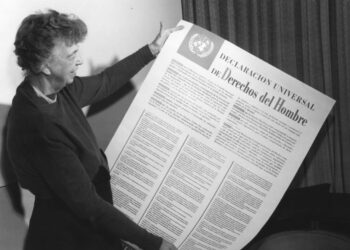
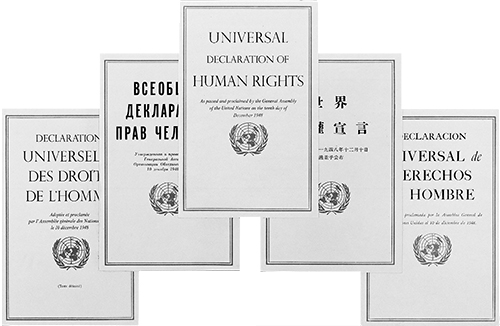 The Universal Declaration of Human Rights (UDHR) is a milestone document in the history of human rights. Drafted by representatives with different legal and cultural backgrounds from all regions of the world, the Declaration was proclaimed by the United Nations General Assembly in Paris on 10 December 1948 by General Assembly resolution 217 A (III) as a common standard of achievements for all peoples and all nations. It sets out, for the first time, fundamental human rights to be universally protected. Since its adoption in 1948, the UDHR has been translated into more than 500 languages – the most translated document in the world – and has inspired the constitutions of many newly independent States and many new democracies. The UDHR, together with the International Covenant on Civil and Political Rights and its two Optional Protocols (on the complaints procedure and on the death penalty) and the International Covenant on Economic, Social and Cultural Rights and its Optional Protocol, form the so-called International Bill of Human Rights.
Economic, social and cultural rights
The International Covenant on Economic, Social and Cultural Rights entered into force in 1976. The human rights that the Covenant seeks to promote and protect include:
- the right to work in just and favourable conditions;
- the right to social protection, to an adequate standard of living and to the highest attainable standards of physical and mental well-being;
- the right to education and the enjoyment of benefits of cultural freedom and scientific progress.
Civil and political rights
The International Covenant on Civil and Political Rights and its First Optional Protocol entered into force in 1976. The Second Optional Protocol was adopted in 1989.
The Covenant deals with such rights as freedom of movement; equality before the law; the right to a fair trial and presumption of innocence; freedom of thought, conscience and religion; freedom of opinion and expression; peaceful assembly; freedom of association; participation in public affairs and elections; and protection of minority rights. It prohibits arbitrary deprivation of life; torture, cruel or degrading treatment or punishment; slavery and forced labour; arbitrary arrest or detention; arbitrary interference with privacy; war propaganda; discrimination; and advocacy of racial or religious hatred.
Human Rights Conventions
A series of international human rights treaties and other instruments adopted since 1945 have expanded the body of international human rights law. They include the Convention on the Prevention and Punishment of the Crime of Genocide (1948), the International Convention on the Elimination of All Forms of Racial Discrimination (1965), the Convention on the Elimination of All Forms of Discrimination against Women (1979), the Convention on the Rights of the Child (1989) and the Convention on the Rights of Persons with Disabilities (2006), among others.
Human Rights Council
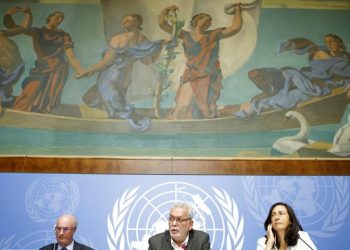
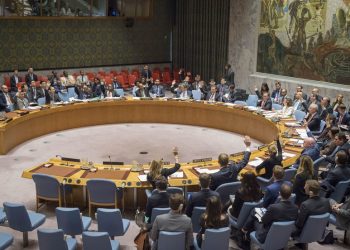
The Human Rights Council, established on 15 March 2006 by the General Assembly and reporting directly to it, replaced the 60-year-old UN Commission on Human Rights as the key UN intergovernmental body responsible for human rights. The Council is made up of 47 State representatives and is tasked with strengthening the promotion and protection of human rights around the globe by addressing situations of human rights violations and making recommendations on them, including responding to human rights emergencies.
The most innovative feature of the Human Rights Council is the Universal Periodic Review. This unique mechanism involves a review of the human rights records of all 192 UN member states once every four years. The Review is a cooperative, state-driven process, under the auspices of the Council, which provides the opportunity for each state to present measures taken and challenges to be met to improve the human rights situation in their country and to meet their international obligations. The Review is designed to ensure universality and equality of treatment for every country.
UN High Commissioner for Human Rights
The United Nations High Commissioner for Human Rights exercises principal responsibility for UN human rights activities. The High Commissioner is mandated to respond to serious violations of human rights and to undertake preventive action.
The Office of the High Commissioner for Human Rights (OHCHR) is the focal point for United Nations human rights activities. It serves as the secretariat for the Human Rights Council, the treaty bodies (expert committees that monitor treaty compliance) and other UN human rights organs. It also undertakes human rights field activities.
Most of the core human rights treaties have an oversight body which is responsible for reviewing the implementation of that treaty by the countries that have ratified it. Individuals, whose rights have been violated can file complaints directly to Committees overseeing human rights treaties.
Human Rights and the UN System
Human rights is a cross-cutting theme in all UN policies and programmes in the key areas of peace and security, development, humanitarian assistance, and economic and social affairs. As a result, virtually every UN body and specialized agency is involved to some degree in the protection of human rights. Some examples are the right to development, which is at the core of the Sustainable Development Goals; the right to food, championed by the UN Food and Agriculture Organization, labour rights, defined and protected by the International Labour Organization, gender equality, which is promulgated by UN Women, the rights of children, indigenous peoples, and disabled persons.
Human rights day is observed every year on 10 December.
Resources: