Human rights violations Yemen
HRITC Documents 165 Human Rights Violations in Taiz During the Second Half of 2025; Houthis Responsible for Two-Thirds of Violations
Taiz – Human Rights Information and Training Center (HRITC)
The Human Rights Information and Training Center (HRITC) has released its field report on the human rights situation in Taiz Governorate during the second half of 2025. The report documented 165 violations affecting civilians as well as public and private property between July 1 and December 30, 2025.
The report revealed that Houthi militia forces topped the list of perpetrators, committing 111 violations, representing 67% of the total documented violations. They were followed by unidentified armed groups with 25 violations, armed groups operating outside state authority with 23 violations, while six violations were attributed to individuals and factions within the government military.
The report highlighted the continued deterioration of the humanitarian and security situation in the governorate amid escalating shelling and direct targeting of civilians, as well as increasing violations related to killings, sniper attacks, landmines, improvised explosive devices (IEDs), kidnappings, and attacks on public and private property.
I. Right to Life
Killings
HRITC documented the killing of 29 civilians during the second half of 2025, including three women and eight children.
The report held Houthi militia forces responsible for the deaths of 13 civilians, including two women and seven children. These casualties included two children and one woman killed by various forms of shelling, two civilians killed by sniper fire, one civilian killed in a drone strike, one civilian run over by a military vehicle, five children killed by unexploded ordnance remnants, and one woman who died as a result of the siege and being prevented from accessing medical assistance.
Armed groups operating outside state authority were responsible for the deaths of five civilians, including one child. Four civilians were killed in IED explosions, while one civilian was killed by direct gunfire.
The report also recorded the deaths of 11 civilians at the hands of unidentified armed individuals, including one woman. These included nine assassination cases, one civilian killed by direct gunfire, and another killed during an assault.
Injuries
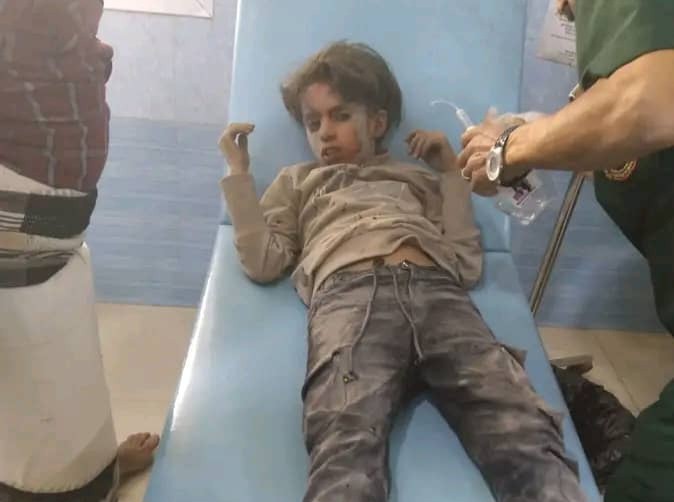
The Center recorded injuries to 69 civilians, including four women and 14 children.
Houthi militia forces were responsible for injuries to 50 civilians, including three women and 14 children. Among them, 23 civilians were injured by projectiles launched from drones, 10 civilians were injured by various forms of shelling, including nine children, nine civilians were injured by landmine explosions, including one child and one woman, seven civilians were wounded by sniper fire, including three children and two women, and one child was injured by unexploded ordnance remnants.
Armed groups operating outside state authority caused injuries to 15 civilians, including one woman. Thirteen civilians were injured in IED explosions, while two civilians suffered injuries from physical assaults.
Four additional injuries were attributed to unidentified armed individuals, including three failed assassination attempts and one civilian wounded by direct gunfire.
Kidnappings and Enforced Disappearances
The report documented five kidnapping incidents, including three mass-abduction campaigns. Houthi militia forces were responsible for four incidents, while one incident was committed by members of the government military.
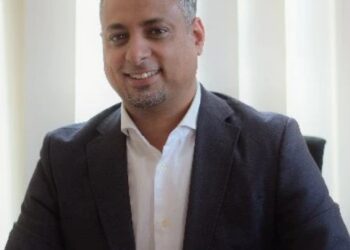
The violations included the abduction of Dr. Mujeeb Al-Hakimi, Vice Dean of the Faculty of Engineering at Taiz University, while passing through the Al-Hawban area. The report also documented a mass-abduction campaign in Mawiyah District targeting nine civilians, including teachers and mosque imams, as well as another campaign in Hadhiyah village in Maqbanah District targeting five civilians.
The militia also abducted teacher Jameel Al-Qadri after he refused to teach what are known as the “Houthi educational manuals.”
Conversely, the report documented the abduction of officer Attaf Al-Sufyani and one of his escorts by members affiliated with the 22nd Brigade during the storming of the Judicial Complex in Taiz City.
Assassinations and Assassination Attempts
HRITC recorded five assassination-related incidents, including three assassinations and two attempted assassinations.
The report documented the assassination of Lieutenant Colonel Abdullah Al-Naqeeb, Director of Security of Al-Taiziyah District, through an IED explosion targeting his vehicle in central Taiz City. It also recorded the assassination of Aftihan Al-Mashhari, Director of the Cleaning and Improvement Fund, who was shot approximately 30 times by unidentified assailants.
The report further documented the attempted assassination of citizen Ali Al-Qudsi, as well as the targeting of the convoy of Taiz Governor Nabil Shamsan and Brigadier General Abu Bakr Al-Jabouli in the Najd Al-Bard area south of the governorate, resulting in the deaths of five escorts and injuries to two others.
In the same context, Captain Mohammed Al-Rumaih, Deputy Commander of the Security Campaign in Al-Shamayatayn, was killed during clashes with armed groups operating outside state authority in the city of Al-Turbah.
Assaults
The report documented three assault incidents, two committed by members and factions within the government military and one committed by an armed individual operating outside state authority.
These violations included the shooting of citizen Taha Ahmed Hassan by Farouq Fadel, brother of the commander of the Taiz Military Axis, as well as attacks on security personnel during the storming of the Judicial Complex by members of the 22nd Brigade.
An armed individual outside state authority also assaulted lawyer Fadilah Al-Sabri and her husband, journalist Makram Al-Azzab, in front of their home in Taiz City. The attack resulted in Al-Azzab suffering a stab wound and his wife being subjected to physical assault and verbal abuse.
Arbitrary Arrests
The Center recorded three cases of arbitrary arrest, including one mass-arrest campaign carried out by Houthi militia forces in Khadir District targeting educational figures, trade union representatives, and members of local councils.
The report also documented the arrest of neighborhood representative Ibrahim Nasr after he objected to encroachment on land belonging to Al-Salami Public Park, and the arrest of human rights activist Adnan Al-Athwari after he exposed incidents of extortion targeting patients at a free medical camp in Al-Jumhouri Hospital.
Freedom of Opinion and Expression
HRITC documented three violations of freedom of opinion and expression. Houthi militia forces were responsible for two violations, while one violation was committed by an armed individual operating outside state authority.
Public and Private Property
The Center’s field team documented 48 violations affecting public and private property, including three violations against public property and 45 violations against private property.
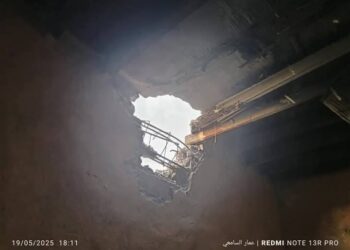
Public property violations included the storming of a mosque by Houthi militia forces and the replacement of its imam after expelling him, the storming of the Judicial Complex by individuals affiliated with military factions, and damage to parts of a police building caused by an IED explosion.
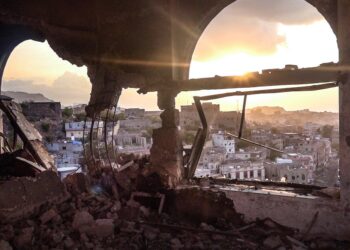
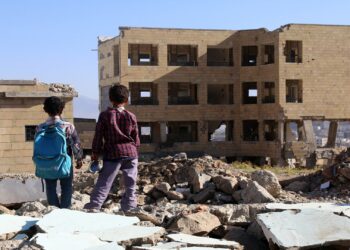
Violations against private property included partial damage to 13 homes, total destruction of six homes, and damage to 17 vehicles resulting from Houthi shelling. A fuel station was also burned following a drone strike, two cows were killed due to shelling, and several vehicles were destroyed or burned by IEDs and direct gunfire carried out by unidentified armed individuals and military personnel.
The Human Rights Information and Training Center (HRITC) emphasized that the continued targeting of civilians and property in Taiz Governorate reflects the severe deterioration of the human rights situation. The Center called for independent investigations into all violations, accountability for those responsible, and the protection of civilians in accordance with international humanitarian law.