Human Rights Report:
The Houthis Target the Healthcare Sector in Taiz: Bombing Hospitals, Killing Paramedics, and Looting 15 Ambulances
Human Rights Information and Training Center (HRITC) – Taiz:
Documents systematic violations targeting medical facilities, ambulances, and healthcare personnel, and warns that accessing treatment in Taiz has turned into a battle for survival.
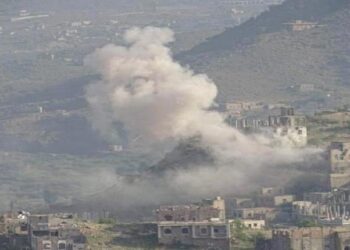
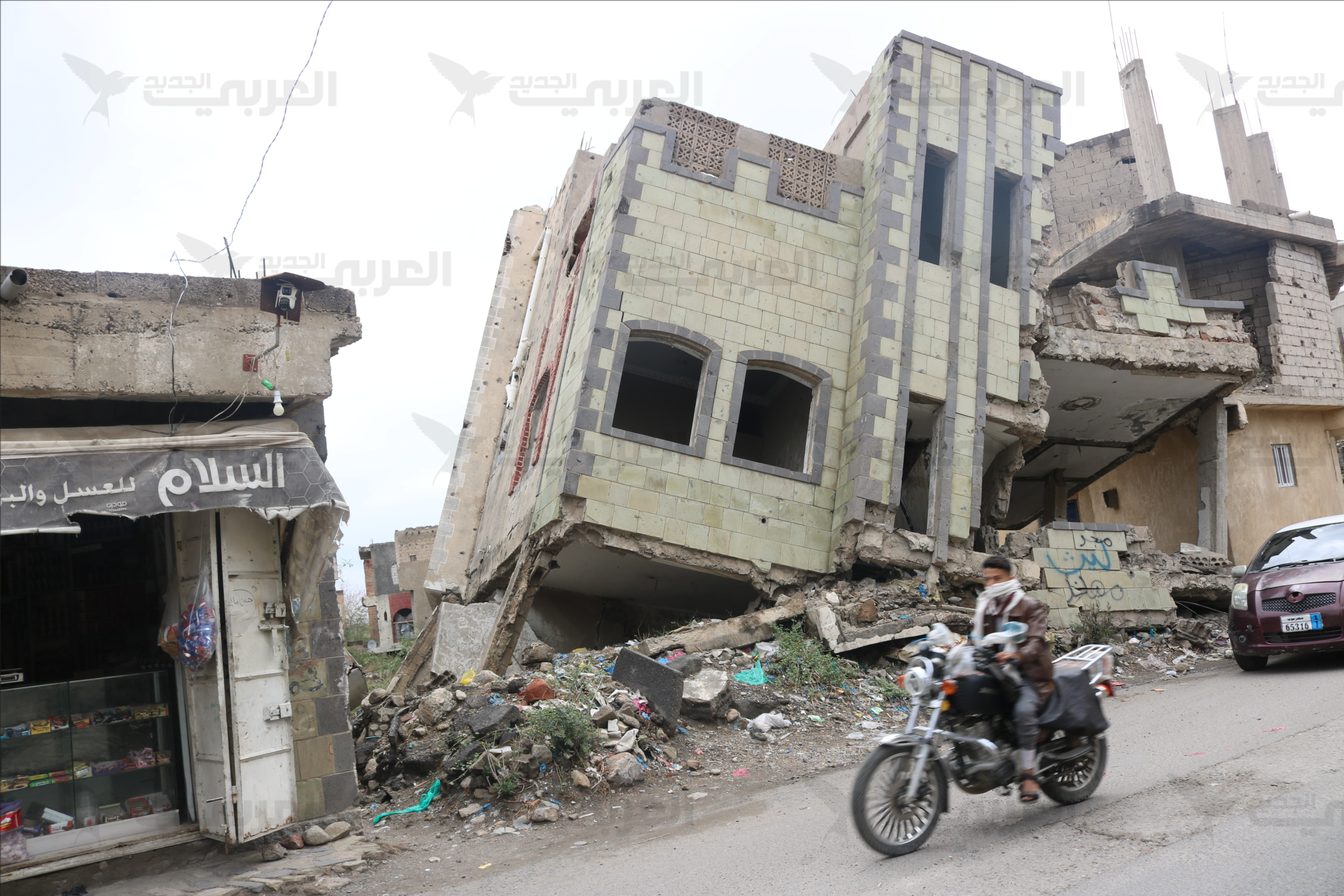
A human rights report issued by the Human Rights Information and Training Center (HRITC) revealed a dangerous escalation in violations targeting the healthcare sector in the Taiz Governorate. This is due to attacks carried out by the Houthi militia during the period from September 3 to November 9, 2026. The violations included the shelling of hospitals and medical centers, targeting ambulances during their humanitarian missions, killing and injuring paramedics and civilians, and looting medical vehicles and equipment, in addition to imposing restrictions on supplies and roads, which threaten the lives of thousands of patients and wounded individuals.
The report, titled “The Healthcare Sector in Taiz Under Houthi Targeting,” documented a series of attacks that affected at least five hospitals and health centers. According to statements from the Director of the Public Health and Population Office in the governorate, these included the Al-Thawra General Hospital Authority, Al-Safwa Hospital, the health center in Al-Arous on Mount Sabr, a health center in Al-Wazi’iyah, and another in Al-Mawasit.
The report indicated that the healthcare sector lost 15 ambulances due to looting and seizure operations, in addition to medical devices and equipment. This has reduced the sector’s capacity to respond to emergency situations and transport the wounded and sick, especially in besieged rural and mountainous areas.
Targeting Hospitals and Ambulances
The report monitored the targeting of Al-Safwa Hospital in the center of Taiz city at dawn on October 13, via direct shelling. The attack injured a civilian and caused damage to hospital departments and patient room windows, shattering glass inside the rooms and causing fear and panic among patients and medical staff.
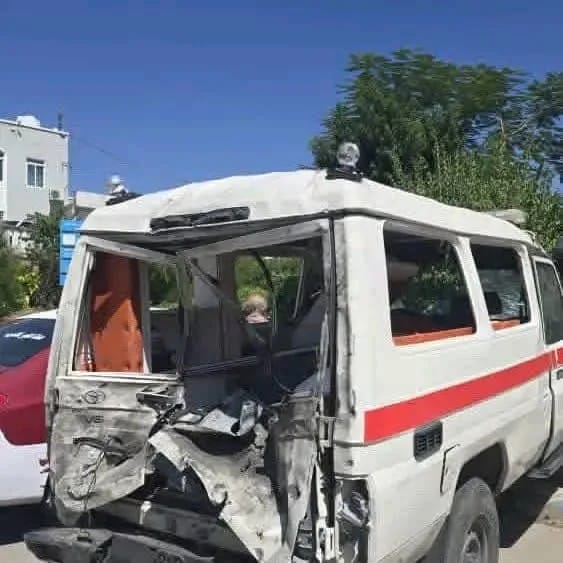
It also documented a series of attacks on ambulances during their humanitarian missions. On October 20, a mortar shell targeted an ambulance in the Sabr Al-Shaqab area while it was transporting a wounded woman, resulting in the martyrdom of two people, including a girl, and the injury of another. On the same day, another ambulance was targeted in the Al-Sorari area of Misrakh district, leading to the martyrdom of its driver and the injury of several paramedics.
On October 28, an ambulance was targeted in the Al-Awat area, west of Al-Shaqab in Sabr Al-Mawadim district, while attempting to transport an injured civilian, causing significant damage and disabling the vehicle.
On November 8, the militia targeted an ambulance transporting a wounded person in the Al-Awat area west of Al-Shaqab, resulting in the martyrdom of both the wounded person and his father, and injuring a member of the medical team. Medical and local sources reported that the vehicle was subjected to a hail of gunfire, and the continuous shooting hindered the recovery of the victims, requiring another medical team to arrive and assist in evacuating them.
The report pointed out that this incident represents the third attack on ambulances during their humanitarian duties within the monitoring period.
The Siege Threatens the Lives of Children and Patients
In another aspect, the report warned of the catastrophic repercussions caused by the shortage of fuel, medicines, oxygen, and medical supplies due to the restrictions imposed on roads and supplies. It emphasized that the crisis has transcended a mere decline in services to become a direct threat to the lives of patients.
The report cited health workers stating that the Yemeni-Swedish Hospital for Maternity and Childhood was forced to reduce the number of operating incubators from 40 down to just 10 due to a diesel shortage, coinciding with the shutdown of the oxygen plant and the disruption of other medical departments.
The report explained that this situation places the lives of premature and newborn children at grave risk, while also threatening the services provided to intensive care patients, kidney failure patients, and cases that rely on oxygen and medical devices connected to a continuous power supply.
Storming Health Facilities and Kidnapping a Wounded Man from the Hospital
The report revealed other violations targeting the independence of medical work and the safety of patients and health personnel. These included storming medical facilities and assaulting and threatening doctors and nurses to force them to treat the militia’s wounded.
It highlighted an incident on September 30, where elements belonging to the so-called Houthi “Political Security” apparatus stormed several health facilities in the city of Dimnat Khadir, east of Taiz. They assaulted doctors and nurses after hospitals refused to accept more wounded militia members due to the inpatient and intensive care units being full. Some doctors were subjected to pressure and threats to force them to continue working and performing surgeries under conditions that lack minimum medical standards.
The report tracked testimonies regarding the allocation of health facilities, including Hajdah Rural Hospital, Al-Barh Rural Hospital, and Al-Nasr Hospital in Shamyar, exclusively to receive the militia’s wounded, while imposing security measures and restricting the entry of local citizens, which negatively affected the medical services provided to civilians.
It also documented the abduction of Colonel Taha Aoun from inside Khalifa Hospital in the city of Al-Turbah on October 17, where he was receiving treatment for injuries sustained during clashes in Al-Mawasit district. He was taken to an unknown destination, according to an announcement by the leadership of the 35th Armored Brigade.
The Center emphasized that kidnapping a wounded person from inside a medical facility constitutes a highly dangerous violation and undermines the presumed protection of patients and the wounded within health facilities.
Violations Calling for an International Investigation and Accountability
In its legal assessment, the Human Rights Information and Training Center (HRITC) confirmed that medical facilities, health personnel, and medical transport vehicles enjoy special protection under the rules of International Humanitarian Law, and they may not be targeted as long as they fulfill their humanitarian functions.
It indicated that targeting ambulances while transporting the wounded, shelling operating hospitals, assaulting paramedics, looting medical transport, and obstructing the delivery of essential supplies are serious war crimes that necessitate investigation and accountability.
The Center stressed the necessity of conducting an independent and comprehensive investigation into the documented incidents, determining individual criminal responsibilities and the chain of command, while completing the verification of the circumstances surrounding each incident and its legal characterization.
The Center demanded the launch of an international and impartial investigation into all attacks that have targeted the healthcare sector in Taiz since September 3, 2026. It called for ensuring the protection of facilities, medical teams, and ambulances, returning looted vehicles and medical equipment, and halting the use of health facilities for military purposes.
Furthermore, it called on the United Nations and international organizations concerned with health and humanitarian action to establish an urgent mechanism to monitor the conditions of the healthcare sector in Taiz, guarantee the flow of fuel, medicine, oxygen, and medical supplies, and hold those responsible for the violations accountable to end impunity.
The report concluded that what the healthcare sector in Taiz is facing is no longer just isolated damage to buildings and vehicles, but has become a threat to the entire life-saving system. The road to the hospital has turned into a path fraught with death, ambulances have become targets for gunfire, and incubators, oxygen machines, and intensive care units are facilities threatened with total shutdown.
The Center concluded that protecting the healthcare sector in Taiz is not a secondary humanitarian issue, but a legal and moral obligation. The continuation of attacks without investigation and accountability warns of more casualties and a deepening of the humanitarian catastrophe experienced by the governorate.
Report: “The Healthcare Sector in Taiz Under Houthi Targeting”