Sustainable Development Goals:
Towards a More Just World: UN Summit in Doha to Revitalize the Social Contract, So No One is Left Behind
By: Vipu Mishra
29 October 2025 | Sustainable Development Goals
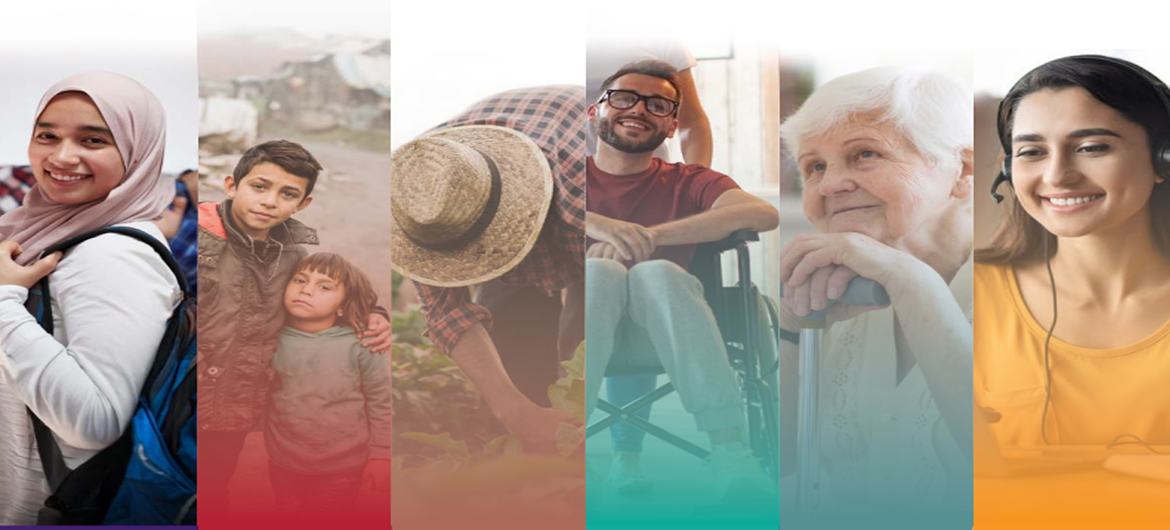
What does it mean to build a society where everyone feels a true sense of belonging? In a world increasingly characterized by digital divides, demographic shifts, and climate disruptions, the promise of achieving “social development for all” is urgent, yet elusive.
The idea that development should be human-centred, inclusive, and equitable is not new. It is a vision the world committed to 30 years ago at the UN Summit in Copenhagen, and its echo still resonates today.
Next week, leaders from around the world will gather in Doha, the capital of Qatar, for a high-level United Nations conference aimed at revitalizing that vision. From 4 to 6 November, the “Second World Social Development Summit” will bring together heads of state, ministers, civil society representatives, and experts to assess progress, address persistent gaps, and chart a new path forward.
At the core of the meetings lies a simple yet powerful question: How can we ensure that no one is left behind?
Li Junhua, UN Under-Secretary-General for Economic and Social Affairs, said that the Summit comes at a critical moment. He added: “Inequalities are widening, trust is eroding, and societies are struggling under the weight of conflicts, climate shocks, and rapid technological change. Yet, we are also witnessing exceptional innovation, resilience, and solidarity. This is our opportunity to rebuild trust among governments and their peoples, and among nations as well.”
A Global Call to Action
Bettina Kyaw-Pah (Bjørg Sandkjær), UN Assistant Secretary-General for Economic and Social Affairs, believes the Summit represents a “global call to action” at a time when more than a billion people still live in extreme poverty, and 40% of the world’s population lacks social protection.
In an interview with UN News, she added that the meeting aims to renew confidence in collective progress – “confidence in our ability to make a difference.” This gathering follows months of intergovernmental negotiations in New York, which culminated in the agreement on the Doha Political Declaration, expected to be formally adopted at the Summit’s opening session.
Ambassador Alya Ahmed Saif Al-Thani, Permanent Representative of the State of Qatar to the United Nations, stated that the Doha Declaration is the Summit’s essence. She added: “It is a global call to action, renewing governments’ commitment to creating an economic, political, social, cultural, and legal environment conducive to achieving social development for all.”
A Pivotal Moment
The world has only five years left before the deadline for achieving the Sustainable Development Goals (SDGs) by 2030, yet it faces significant delays on many fronts. Progress in poverty reduction has slowed, gender equality has stalled, and many young people face a precarious future.
Ms. Sandkjær said that when UN Member States called for this Summit last year, they sent a clear message that social development must once again take centre stage.
Ultimately, it is about renewing the commitment to the core of the 2030 Agenda and ensuring that no one is left behind.
Participation and Foresight
In addition to the formal plenary sessions, a parallel program will add a participatory and forward-looking dimension to the Summit. The “Civil Society Forum,” the “Private Sector Forum,” and the “Interactive Solutions Hub” will highlight innovations in employment, social protection, and strengthening community resilience.
Youth and academic networks will take the spotlight, embodying the spirit of shared creativity and responsibility.
The new Doha Platform for Social Development Solutions – launched by host country Qatar in partnership with France – will highlight new commitments and initiatives, from policy reforms to partnerships that address poverty, employment, and inclusion.
Ambassador Alya Ahmed Saif Al-Thani said: “Doha stands once again as a symbol of global solidarity, where commitments inspire actions and partnerships and spur progress and a shared vision for an inclusive, sustainable, and peaceful future for all.”
Back to the Beginning
For Ms. Sandkjær, who attended the first World Summit in Copenhagen in 1995 as a young activist, Doha represents both continuity and change. She recalled that at that time, there was great optimism and belief that multilateralism and cooperation would continue to advance.
She said: “Today’s youth face even more difficult challenges – from misinformation, climate anxiety, and lack of trust. But my message to them is simple: your participation matters. Raise your voices, form partnerships, and push for action.”
From Words to Deeds
The UN official from the Department of Economic and Social Affairs stressed that the Summit’s success will not be measured by speeches, but by implementation.
With a strong declaration and existing partnerships in place, Sandkjær said: “The real test is translating commitments into tangible improvements in people’s lives – decent jobs, social protection, and inclusion. That’s how we’ll know we’ve succeeded.”
As world leaders gather in Doha, expectations and a sense of urgency are mounting. Thirty years after Copenhagen, the mission remains the same: to build a world where progress is not measured only by wealth, but also by well-being, equality, and human dignity.
The UN News team will be in Doha to cover the Summit, bringing you news, interviews, and the views of world leaders, activists, youth, civil society, and innovators driving change.
Source: United Nations website